Why Dog Bone Font Is Reshaping Playful Brand Identity in the Pet and Kids Market
In the evolving landscape of visual communication, typography has transcended its traditional role as a mere vessel for text to become a primary driver of emotional connection. For professionals in the pet care industry, children’s entertainment sector, and family-oriented retail, the search for typefaces that balance legibility with genuine personality is constant. Enter Dog Bone, a display font that has captured the attention of designers and marketers alike. More than just a novelty typeface, 🐾 Dog Bone – Playful Pawsome Kids Display Font 🐾 represents a strategic response to a market demanding authenticity, warmth, and tactile digital experiences.
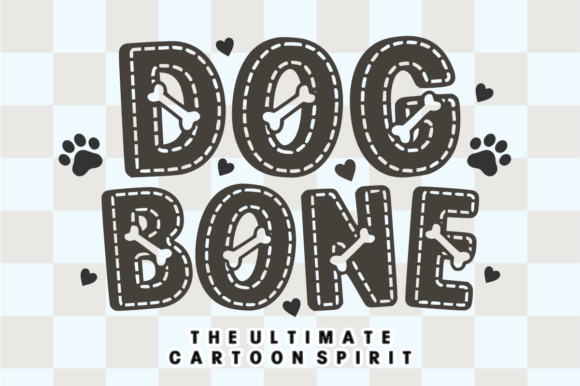
This font is a delightful mix of chunky cartoon letters featuring a charming stitched border and a cute bone icon inside every character. Inspired by the ultimate cartoon spirit, it is the perfect choice for pet lovers and kid-focused branding. However, its relevance extends beyond aesthetic charm. As consumer preferences shift toward brands that feel human, handmade, and approachable, understanding the utility and application of Dog Bone becomes essential for creators looking to stay ahead of visual trends.
The Shift Toward Tactile Typography in Digital Spaces
We are currently witnessing a significant correction in design trends. After years of minimalist, flat, and hyper-clean corporate aesthetics, there is a growing consumer fatigue associated with sterile branding. This is particularly true in industries rooted in care, play, and companionship. Parents and pet owners are not looking for clinical precision; they are seeking visual cues that signal safety, fun, and empathy.
Dog Bone fits squarely into this "neo-tactile" movement. The stitched border detail is not merely decorative; it serves as a semiotic signal of craftsmanship and softness. In a digital environment dominated by smooth vectors and AI-generated perfection, the suggestion of thread and fabric triggers a subconscious association with comfort and handmade quality. For entrepreneurs and freelancers, leveraging this type of textured typography is a practical way to differentiate a brand in a saturated marketplace. It bridges the gap between digital efficiency and analog warmth, satisfying the modern consumer's desire for authentic connection.
Meeting the Emotional Needs of Niche Markets
The pet industry and the children’s market share a unique psychological overlap: both rely heavily on emotional decision-making. When a client commissions a logo for a dog groomer or a daycare center, they are selling trust and affection. Standard sans-serif fonts often fail to convey these nuanced emotions without extensive custom illustration.
By integrating a bone icon directly into the glyph structure, Dog Bone streamlines the design workflow while reinforcing brand messaging at the micro-level. This integration speaks to a broader trend in iconography where symbols are becoming intrinsic to letterforms rather than separate entities. For marketers, this means higher brand recall. The typeface itself acts as a mascot, reducing the cognitive load required for the audience to understand the brand’s niche. Whether you are creating a logo for a dog groomer, designing fun apparel for pet owners, or crafting a children’s book, Dog Bone adds an instant touch of warmth, playfulness, and puppy love that would otherwise require complex layering of graphic elements.
Practical Applications Across Creative Workflows
For professionals and enthusiasts, the value of a display font lies in its versatility across different media. Dog Bone was engineered with specific use cases in mind, addressing common pain points in playful branding.
- Packaging Design: The chunky weight of the characters ensures high visibility on shelves, while the internal detailing remains crisp at medium sizes. This makes it ideal for treat bags, toy packaging, and organic pet food labels where shelf impact is paramount.
- Apparel and Merchandise: Screen printing and embroidery require distinct considerations. The bold outlines of Dog Bone translate exceptionally well to vinyl cutting and direct-to-garment printing. The stitched aesthetic naturally complements embroidered patches on denim jackets or canvas tote bags, aligning the digital file with the physical production method.
- Editorial and Publishing: In children’s literature, typography must support literacy without overwhelming young readers. The rounded, open counters of this font maintain readability while keeping the tone lighthearted. It serves effectively for chapter titles, pull quotes, and cover art, setting the narrative stage before the first page is turned.
- Social Media Assets: Content creators know that engagement often hinges on immediate visual recognition. Using Dog Bone in Instagram stories, YouTube thumbnails, or Pinterest pins creates a cohesive visual language that followers instantly associate with positive, pet-friendly content.
Navigating Accessibility and Hierarchy
While display fonts are inherently expressive, professional designers must always consider accessibility. A common pitfall in playful typography is sacrificing legibility for style. Dog Bone navigates this challenge through its robust construction. The x-height is generous, and the spacing is optimized to prevent the intricate internal details from merging at smaller sizes.
However, best practices dictate that this font should be used strategically within a typographic hierarchy. It excels as a headline or accent font but should be paired with a clean, neutral sans-serif or rounded body font for extended reading. This pairing respects the user experience, ensuring that the playfulness of Dog Bone enhances rather than hinders communication. For web designers, this means utilizing CSS font stacks effectively and perhaps reserving the font for SVG headings to ensure crisp rendering across all devices and screen resolutions.
The Business Case for Personality-Driven Design
From a business perspective, investing in distinctive typography like Dog Bone is an exercise in brand equity. In an era where AI can generate generic logos in seconds, human-centric design choices carry a premium. Clients are increasingly aware that generic visuals lead to generic perceptions. By adopting a typeface with such specific character traits, businesses signal intentionality.
Furthermore, the licensing and usage rights associated with specialized display fonts provide legal and commercial security for entrepreneurs. Using a dedicated commercial font eliminates the risks associated with free-for-personal-use alternatives that may lack proper kerning, language support, or commercial clearance. For freelancers and agencies, recommending Dog Bone demonstrates a curated understanding of current market aesthetics and technical requirements. It positions the designer not just as a decorator, but as a strategic partner who understands how visual nuances influence consumer behavior.
Future-Proofing Playful Brands
As we look toward the future of kid-tech and pet-tech, the intersection of digital and physical experiences will only deepen. Augmented reality (AR) filters, interactive packaging, and immersive retail environments require assets that retain their character across platforms. Fonts with strong silhouettes and inherent thematic elements, like the bone motif in Dog Bone, are uniquely positioned for these emerging technologies. They are recognizable even when distorted by AR lenses or viewed in low-light retail settings.
Moreover, the trend toward sustainability and eco-consciousness in the pet and kids' sectors aligns with the "stitched" aesthetic of this font. It visually supports narratives about natural materials, slow fashion, and ethical consumption without being overtly political. It allows brands to participate in these larger cultural conversations through subtle visual coding.
Integrating Dog Bone Into Your Next Project
For creators ready to explore this typeface, the approach should be one of restraint and context. Give your designs a treat with Dog Bone, but do so with purpose. Test the font in the actual environment where it will live. Print it out to check the stitch detail at physical scale. View it on mobile screens to ensure the bone icons remain distinct. Consider the color palette; earthy tones and pastels tend to amplify the font’s inherent warmth, while neon colors might push it toward a more energetic, party-like vibe.
Ultimately, the success of any design project hinges on resonance. 🐾 Dog Bone – Playful Pawsome Kids Display Font 🐾 offers a powerful tool for achieving that resonance in specific, high-value niches. It acknowledges that in the business of pets and children, professionalism does not mean seriousness. It means understanding the joy, comfort, and love that drive these markets and translating those feelings into visual form. By embracing typography that carries such emotional weight, professionals can create work that is not only seen but felt, fostering deeper connections between brands and the communities they serve.
As the creative industry continues to evolve, the tools we choose define the stories we tell. Dog Bone is more than a collection of glyphs; it is a testament to the enduring power of playful, empathetic design in a complex world. Whether you are a seasoned art director or a passionate entrepreneur, incorporating such thoughtful elements into your workflow ensures your work remains relevant, engaging, and undeniably pawsome.