Evaluating Classroom Hero Font for Educational Design Projects
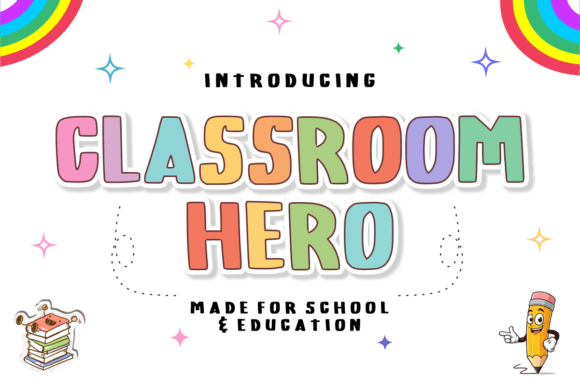
Selecting the appropriate typography is a critical step in creating effective educational materials. For teachers, homeschoolers, and curriculum designers, the font choice must balance aesthetic appeal with functional legibility. Classroom Hero has emerged as a notable option within this niche, specifically engineered to address the unique demands of learning environments. This handwritten display font combines a bold, chunky silhouette with soft, rounded edges, aiming to provide an authentic teacher-approved aesthetic. When evaluating whether this typeface aligns with your specific project goals, it is essential to understand its technical characteristics, practical applications, and inherent limitations compared to standard system fonts or other script alternatives.
Defining the Aesthetic and Functional Profile
Classroom Hero is categorized as a handwritten display font, but it diverges from traditional scripts by prioritizing clarity over ornate detail. The design features thick strokes and smooth outlines that create a high-impact visual presence without sacrificing readability. This distinction is vital for educational settings where students, particularly early readers or those with visual processing differences, require clear letterforms to decode text effectively.
The "chunky" nature of the font serves a dual purpose. Visually, it conveys a sense of friendliness and approachability, reducing the cognitive load often associated with formal academic typography. Functionally, the substantial stroke weight ensures that letters remain distinct even when scaled down for worksheet instructions or scaled up for hallway signage. Unlike thin-lined scripts that may disappear against busy backgrounds or textured paper, Classroom Hero maintains its integrity across various media. The rounded edges further soften the overall appearance, making it suitable for welcoming classroom decor while retaining enough structure to be taken seriously as an instructional tool.
Technical Optimization for Crafting and Production
A primary consideration for many educators and DIY creators is compatibility with digital fabrication tools. Classroom Hero is explicitly optimized for cutting machines such as Cricut and Silhouette. This optimization addresses a common pain point in craft-based education projects: weeding difficulty. Intricate fonts with thin connecting lines or internal cutouts often tear during the weeding process or fail to adhere properly to transfer tape.
The bold construction of Classroom Hero minimizes these risks. Its solid forms and lack of fragile serifs allow vinyl, cardstock, and heat transfer materials to be cut cleanly and applied smoothly. For users producing physical resources like name tags, bin labels, or bulletin board letters, this technical reliability translates to significant time savings and reduced material waste. When evaluating this font, prospective users should verify their machine’s blade settings for thick materials, as the bold weight may require slightly adjusted pressure compared to standard text fonts to ensure complete cuts through heavier substrates.
Ideal Use Cases and Strategic Fit
Determining if Classroom Hero is the right choice requires matching its strengths to specific project types. It excels in scenarios requiring immediate visual recognition and emotional warmth. Strong use cases include:
- Environmental Print: Labels for cubbies, supply bins, and learning centers benefit from the font's high legibility at a distance.
- Instructional Posters: Anchor charts and rule displays utilize the bold weight to establish hierarchy and draw attention to key concepts.
- Personalized Student Gifts: End-of-year awards, birthday certificates, and welcome signs leverage the friendly, handwritten feel to create personal connections.
- Social Media Graphics: The high-contrast silhouette performs well in digital thumbnails and Instagram stories where text must be readable on small screens.
In these contexts, the font acts as a functional design element that supports learning objectives rather than merely decorating them. The consistent x-height and open counters contribute to faster word recognition, which is particularly beneficial for Pre-K through 3rd-grade audiences developing foundational literacy skills.
Tradeoffs and Limitations to Consider
While Classroom Hero offers distinct advantages, objective evaluation requires acknowledging its constraints. As a display font, it is not designed for extended body text. Using it for paragraphs of reading material, lengthy worksheets, or dense informational handouts can lead to visual fatigue and reduced comprehension. The bold weight that aids visibility in headlines becomes overwhelming in smaller sizes or long-form content.
Additionally, the stylistic uniformity that makes it excellent for cutting machines may limit its versatility for projects requiring a more formal or traditional academic tone. High school curricula, administrative reports, or standardized testing preparation materials may find the aesthetic too juvenile. Users must also consider licensing terms carefully; while the font is optimized for physical creation, commercial use policies vary. Educators selling resources on platforms like Teachers Pay Teachers must ensure their license covers derivative works intended for sale.
Comparing Alternatives and Decision Factors
When deciding whether to adopt Classroom Hero, compare it against both free system fonts and premium alternatives. Standard sans-serif fonts like Arial or Comic Sans offer superior body text readability and universal compatibility but lack the tactile, handcrafted warmth that engages younger learners. Conversely, elaborate calligraphy fonts may offer higher artistic value but often fail the practical tests of legibility and cuttability.
Key decision-making factors should include:
- Target Audience Age: Is the content for emerging readers who benefit from simplified, rounded forms, or older students requiring mature typography?
- Production Method: Will the final product be digitally viewed, printed on standard paper, or physically cut from vinyl? Classroom Hero adds the most value in the latter two categories.
- Hierarchy Needs: Do you need a standalone headline font, or a versatile family for entire documents? This font typically functions best as a heading paired with a clean sans-serif body font.
- Accessibility Requirements: Does the student population include individuals with dyslexia or low vision? While rounded and bold, always test specific letter differentiation (such as b/d or p/q) against individual accommodation plans.
Making the Final Selection
Ultimately, Classroom Hero represents a specialized tool rather than a universal solution. It successfully bridges the gap between playful aesthetics and professional functionality for early childhood and elementary education contexts. Its value proposition lies in its ability to make handmade and printed materials look polished and intentional while remaining accessible to young readers and compatible with crafting workflows.
For educators and designers focused on environmental print, hands-on learning resources, and engaging visual communication, it warrants serious consideration. However, for projects demanding extensive text blocks, formal presentation, or multi-grade adaptability, alternative typefaces may better serve the objective. By weighing these practical factors against specific project requirements, users can determine if this bold, friendly display font aligns with their educational design goals and production capabilities.